

Welcome to the forum. Your ear story makes me shudder. But looks like you're making up for it with a good lifestyle. You'll find a pic posting tutorial here http://spearfishing.world/foru…ure-posting-tutorial.html
Posts by Dan
-
-
No need to jump on Davie for making a joke. He is an excellent spearo with great fish sense, and a good diver that we can all learn a lot from. You have to realize that asking about "freediving" with an O2 bottle sounds ridiculous to us, especially after only freediving for a year and not having reached anywhere near your potential actually freediving. What you're suggesting is just not done. However maybe these guys will know something about it http://spearfishing.world/divi…mpetitive-freediving.html

On a serious note freedive spearfishing is risky enough, what you're suggesting can only make it more dangerous. I wouldn't do it. There are a few methods that can be used to go deeper when necessary, variable ballast, a partner that will pull you up with a rope, all advanced techniques for experienced divers.
-
I never thought of doing that. Good to know

-
What are you going to do, swim with an O2 bottle?
-
Welcome to the forum Kris. With 20 years experience I'm sure we have something to learn from you.
-
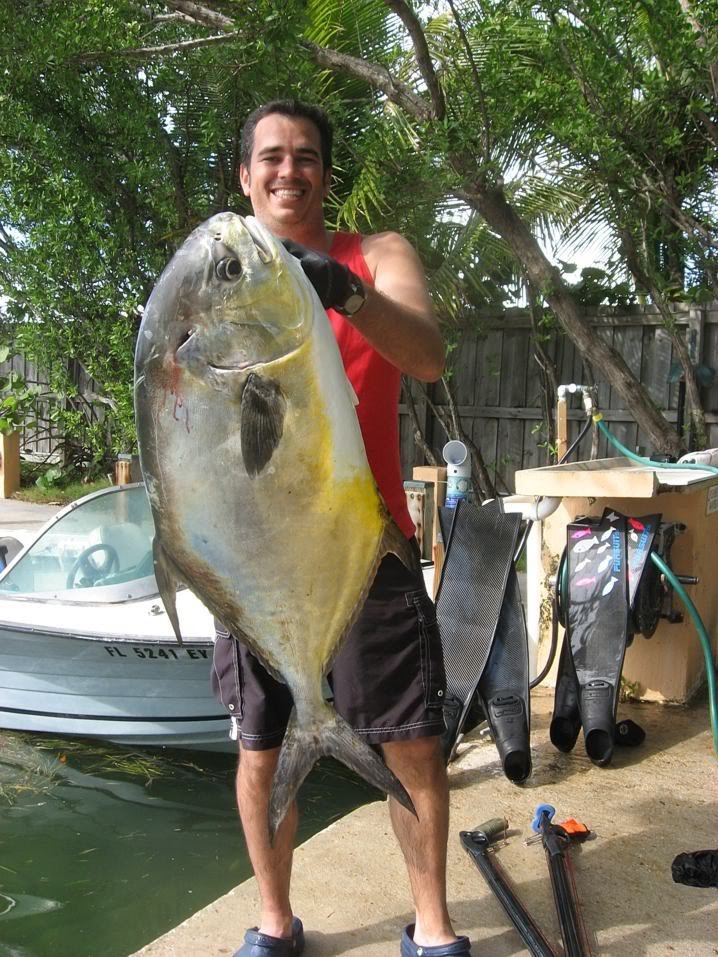
Different ideas John, fuzz found them lacking in maneuverability, your issue is a matter of stiffness. You can't have your cake and eat it too, if you use a stiffer blade you're going to be less comfortable swimming for extended periods of time. I find medium to be a good compromise. Of course I don't regularly find myself shooting 50lb fish around wrecks. Still just this weekend Rolo shot this +40lb permit on a wreck, and they're hard pullers. Not the first time either and I never heard him say that the medium stiffness blades were lacking. I suspect any fin would be briefly overpowered fighting a bigger fish.
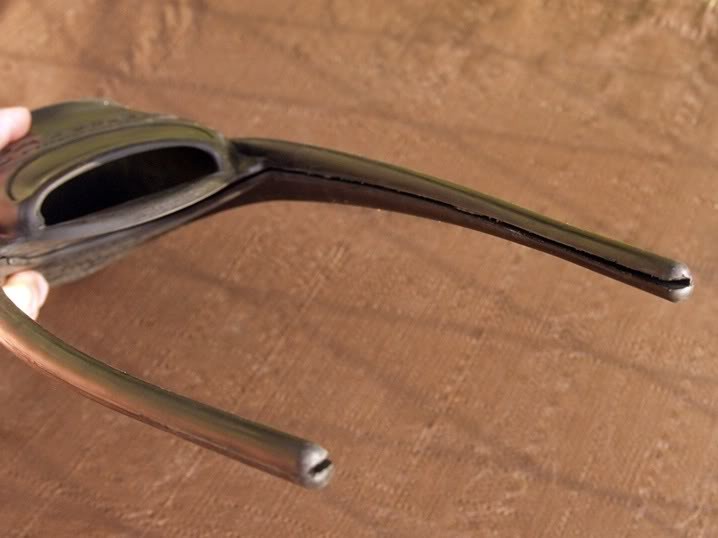
Back to rails. One other thing that should be mentioned is that there are very few foot pockets which don't have a T slot in the tendons but rather a straight slot. These foot pockets do not require tendon rails to be glued on the blades, the blades are glued directly into the tendons using the same Cyanoacrylate glue. This results in a very compact fin with less loss in the power transfer from legs to blades since there isn't even a little movement of the blades inside the foot pockets. The down side is that the installation is permanent. It's very difficult to separate the blade from the foot pocket if the need arises without damaging the foot pocket to the point where it's not usable. And I've yet to see a good foot pocket that uses this system, Pathos foot pockets are shit IMO.
-
Half of what you get with a 16gb card <img src= " height="23" srcset="https://spearfishing.world/forum/images/smilies/emojione/1f606@2x.png 2x">
-
I said earlier I'll do a write up on what makes good rails, here it is http://spearfishing.world/fins…ing-and-tendon-rails.html
A pic of a Hatch blade that's paired up with the Salvimar footpocket. The groove in the back edge of the footpocket is not as deep as the tab inside the footpocket. IMO the blade will still be stopped short of going all the way into the footpocket.


-
Why not. You'll just have less recording time so be more picky about what you film.
-
Same depth range as the Gopro housing. I haven't tested it yet.
-
oops, I thought flap was referring to the loose rubber rail part. Thanks for the correction Stephan. Nevertheless my reference to guys cutting off the floppy rubber rail is still correct.
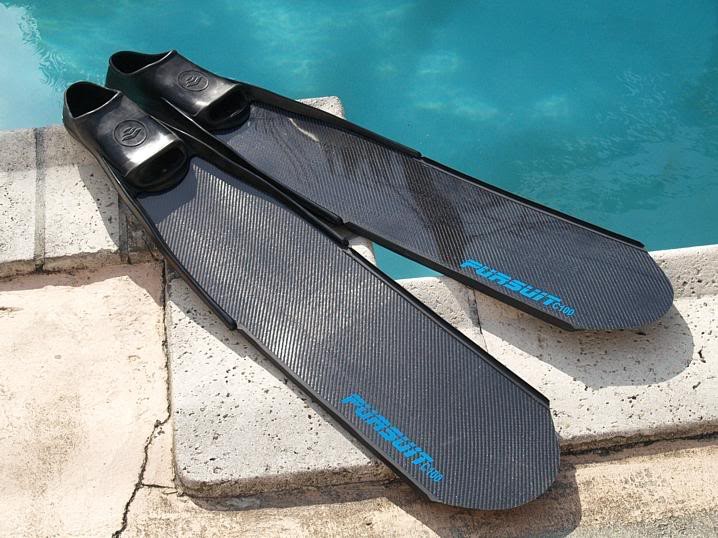
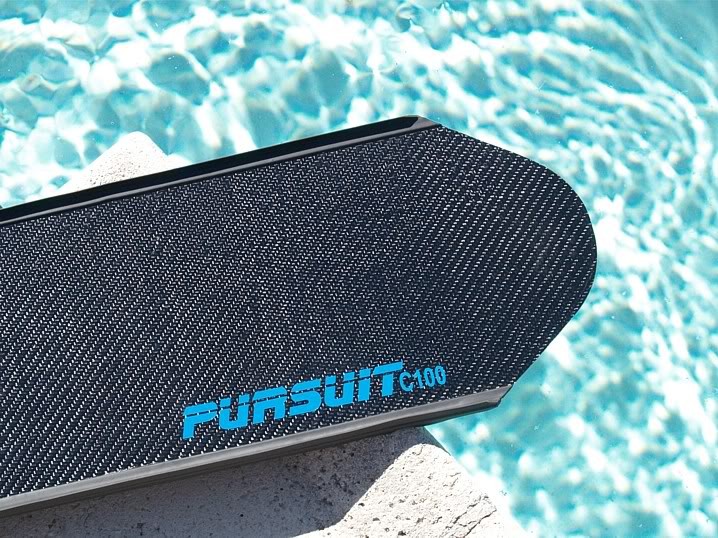
The round cut on the Pursuit C100 blades only. Haven't had a front edge break.
-
I'm offering the Gopro with a replacement drop in lens that fixes the focus problem. I've been too busy to post about it, I wanted to do a vid of how easy it is to change out the lens.
-
I didn't mean that you don't know the difference between water channeling rails and tendon rails. I meant that you may not be aware of the difference in quality between some footpocket rails, which translates to gripping power of the footpocket tendons over the blade.
-
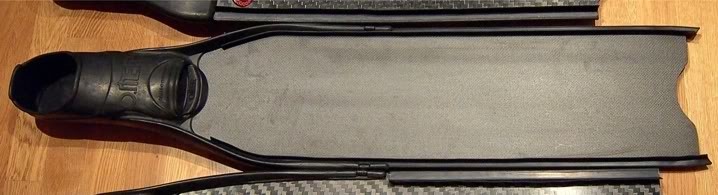
Foot pockets from different manufacturers have different tendon lengths, and foot pockets from the same manufacturer have different length at different sizes. For a fin to look like this, with the foot pocket fin rails exactly as long as the tendons, and the water channeling rails starting exactly where the tendons end, some careful planning and installation is required. It's basically a custom installation for every fin and foot pocket combination.
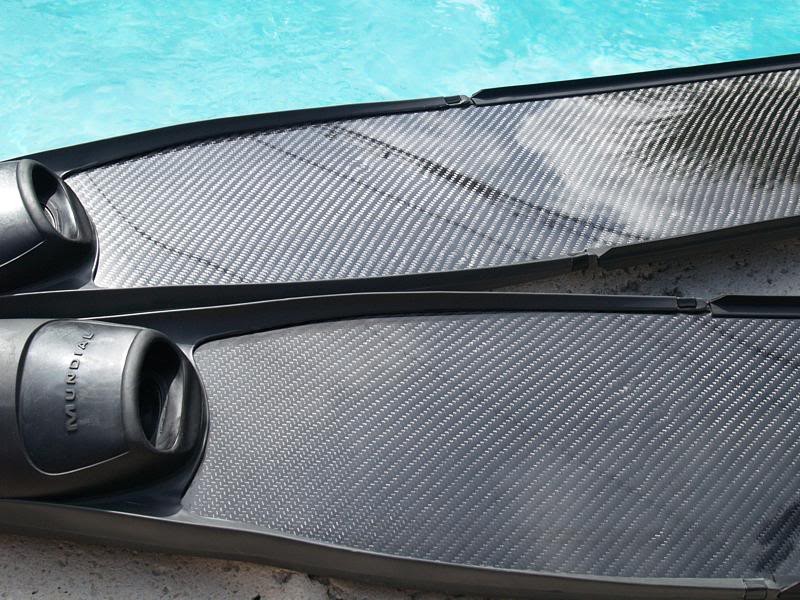
Most manufacturers don't want to do this because it's too labor intensive, and have created cut corner solutions that are cheaper at the same time.
In the case of the DiveR fins the small foot pocket fin rails are used throughout the length of the blade, which basically amounts to no water channeling effect. The result of this is an unstable fin and can be seen in the video in the first post.
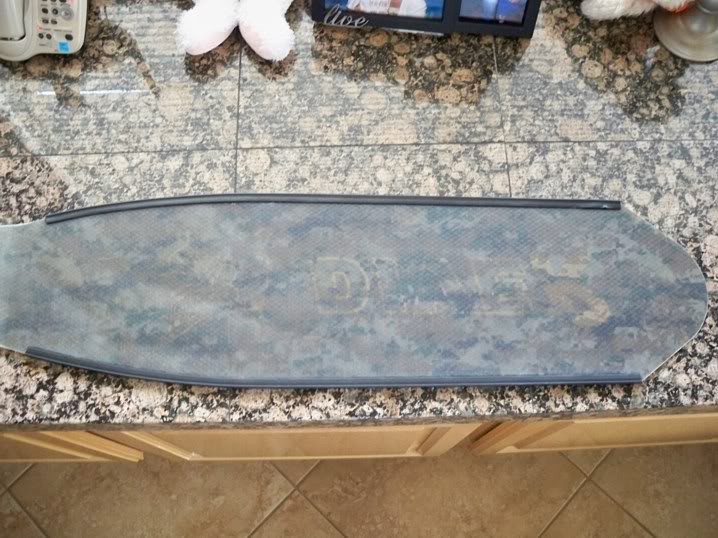
Leader fins went in the opposite direction and install water channeling rails throughout the length of the blade. Then cut down the height of the rails in the area where the foot pocket tendons grip. The resulting small rails appear like they're would do the job of tendon rails, but because they're not specifically designed for this purpose the rails are too thick to fit in the tendon slot properly. This results in poor grip of the foot pocket tendons over the blade, increasing the probability of the blade popping out of the tendons during a powerful fin stroke.
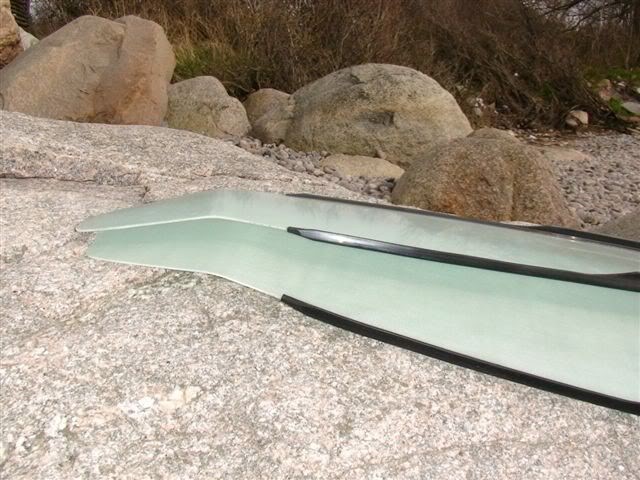
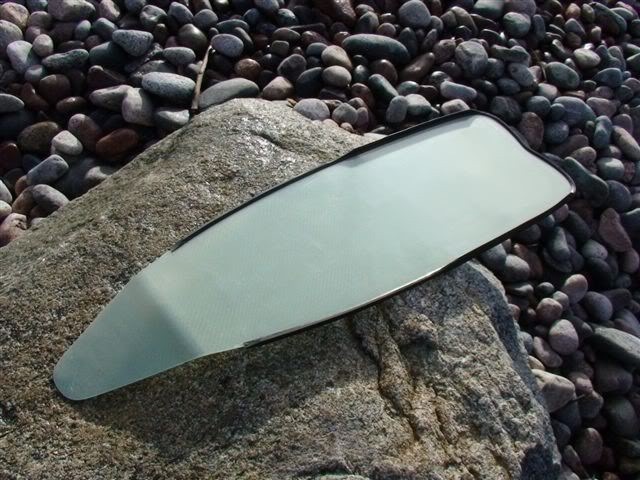
Spetton uses a double purpose rail. This rail supposedly combines a water channeling rail on the inside with a foot pocket fin rail on the outside. What you actually get is a 0.5" wide strip of lost surface area on each side of the blade that is not being used for propulsion, a foot pocket fin rail that is too soft, a bulky water channeling rail that gets deformed when the blade is flexed, and an overall bulky less reactive fin.
-
Good foot pockets that will readily accept foot pocket fin rails are: OMER Stingray and Cressi Gara Modular.
These foot pockets also have clips at the end of the tendons that are supposed to not allow the tendons to come off the rails. It's a somewhat redundant system but it doesn't hurt. The area of the tendon that accepts the clip is thinner than the rest of the tendon, and results in the ends of the tendons being prone to tearing off off at that point after a few times removing and installing blades if not done carefully.
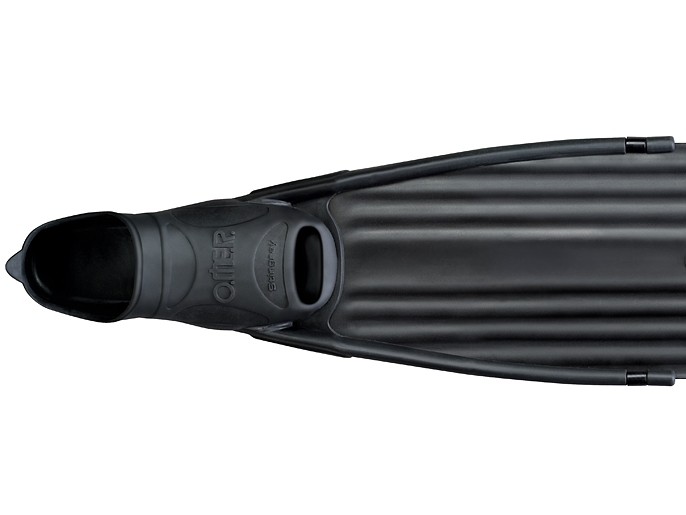
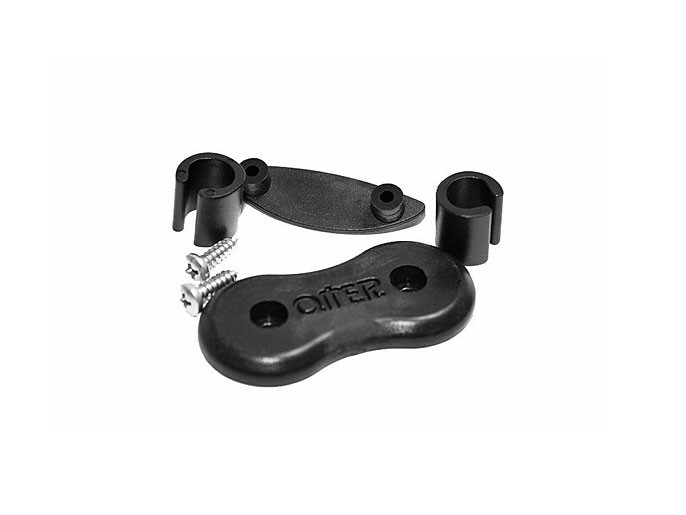
-
Foot pocket fin rails
The first commercially manufactured fins were one piece with foot pocket and blade made of the same material. Advances in manufacturing processes allowed the foot pocket and blade to be made from different materials bonded together permanently; a hard plastic for the blade to achieve stiffness/propulsion, and a soft rubber foot pocket for comfort. This is still the case today with many plastic fins.
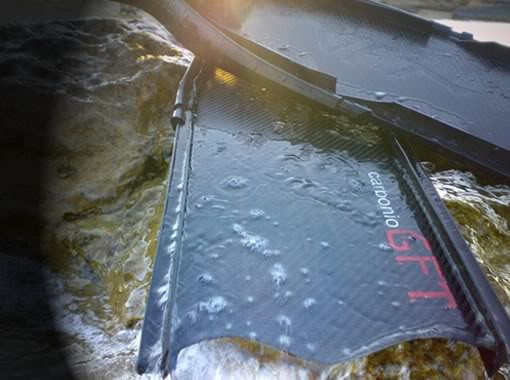
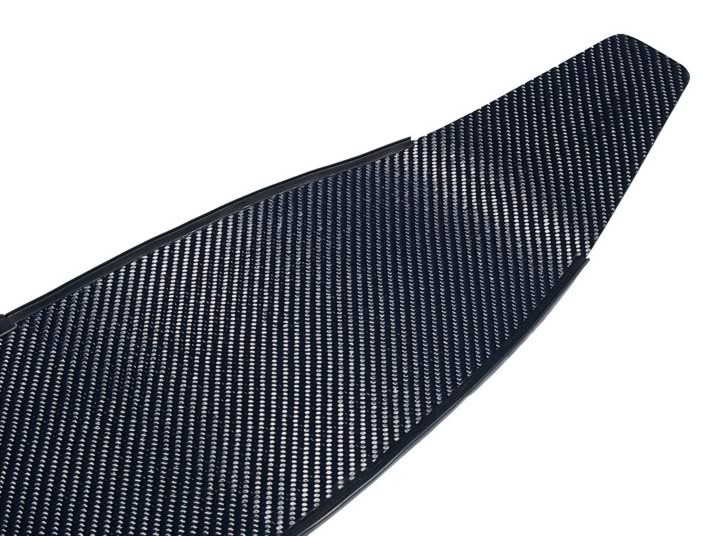
Currently at the top end of performance we have fiberglass and carbon blades, which can be installed in standalone foot pockets from different manufacturers. This allows the diver to select an ideal foot pocket and blade combination for their foot shape, fitness level, and performance requirements/diving conditions. Foot Pocket Fin Rails are the conventional system used to install fiberglass and carbon blades in those foot pockets. The back edge of the blade is pushed into a deep straight slot on the bottom of the foot pocket. The small foot pocket fin rails on the side edges of the blade are pushed into a corresponding T shaped slot in the foot pocket tendons.
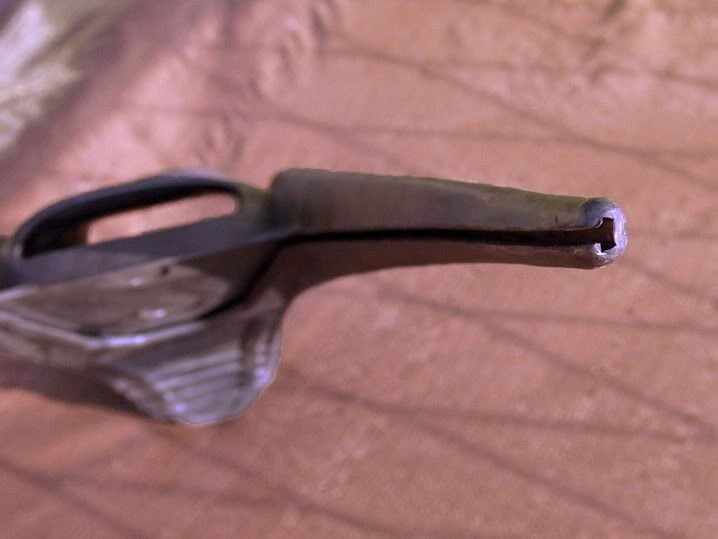
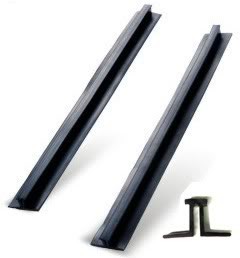
The tendon rails are also in the shape of a T.
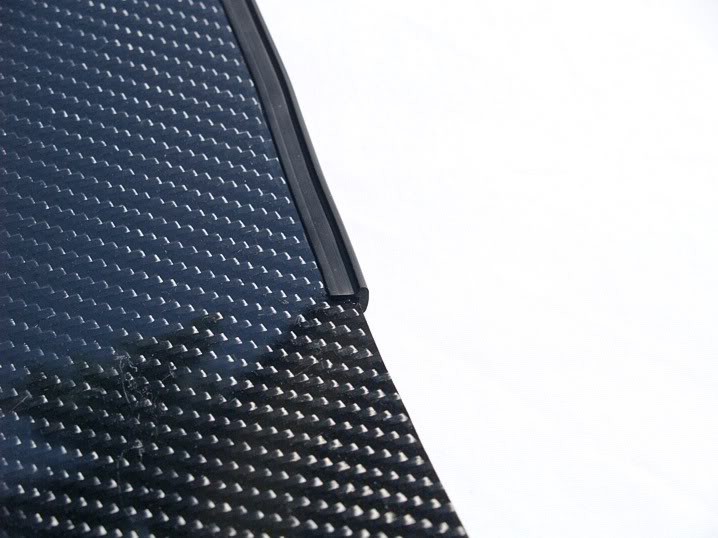
The Speardiver Foot Pocket Fin Rails were designed to give the foot pocket tendons optimum holding power over the blades. For this the tendon rails need to be made of a stiffer grade of rubber than the water channeling rails. The outer edge of the T arms is rounded to be able to easily push the rail into the tight tendon slot. On the inside there is a sharp step which is what the foot pocket tendons grab.
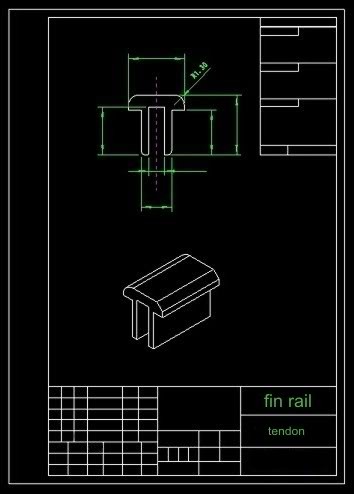
The foot pocket fin rails are glued onto the side edges of the blade over the distance corresponding to the T slot inside the foot pocket tendons. It is important to note where this slot begins and ends in different foot pockets.
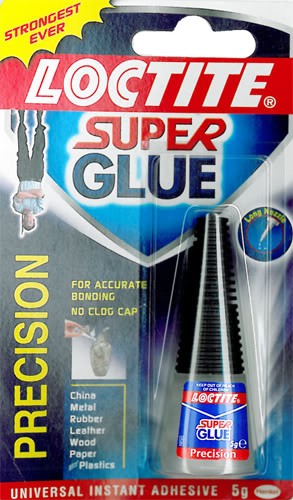
Cyanoacrylate is the best glue to bond rubber rails to the epoxy surface of blades, it creates an instant and permanent bond. Cyanoacrylate is commonly sold as instant glue such as Krazy glue. I prefer to use the viscous version not the more recently available gel consistency, because it spreads more easily through capillary action and very small amounts of glue are required. My preferred brand is Loctite with the sharp nozzle which allows precise application.
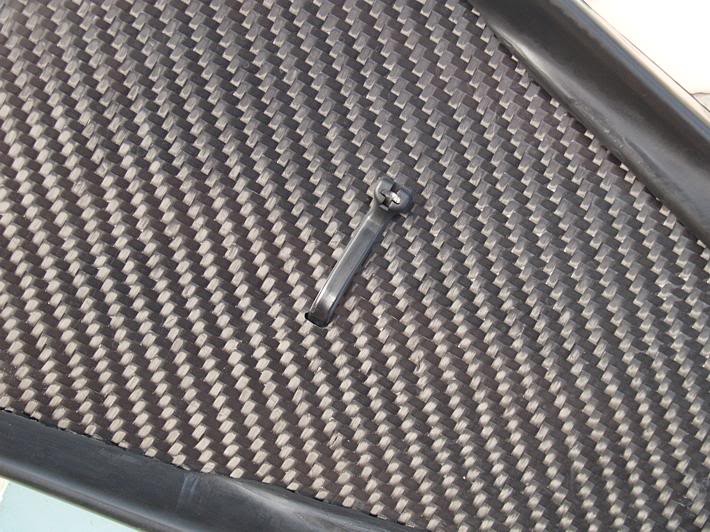
There are many fin manufacturers that use poorly designed rails, that do not allow the foot pocket tendons to grip properly. This is why you often hear guys talk about gluing blades in foot pockets. When the tendon rails are good the foot pocket tendons grip them very well. There is no necessity for any kind of gluing of the blade into the foot pocket. Guys who use the black 5200 stuff have no understanding how this system is supposed to work. If the blade comes with good tendon rails, and you grab the foot pocket tendons on each side of the blade and attempt to force them away from the blade/rails you will not be able to pull them off, it's surprising considering how short the profile of tendon rails is. What does happen sometimes from the constant flexing and straightening is that the blade can work it's way forward and out of the foot pocket, with the foot pocket fin rails sliding forward inside the foot pocket tendons. This is the only thing that the screws some foot pockets use are needed for, to stop the blade from sliding forward, they don't need to be tight at all. Depending on whether the foot pocket installation kit has a nice backing plate between the screws and the blade, I sometimes prefer to use zip ties. Zip ties eliminate the need for a large round hole, which may potentially weaken a carbon blade.
-
I think it will be legal, it's nothing like a conventional trigger.
-
:welcome2:
-
Good story
-
I remember this video well. It's animal intelligence beyond my comprehension.